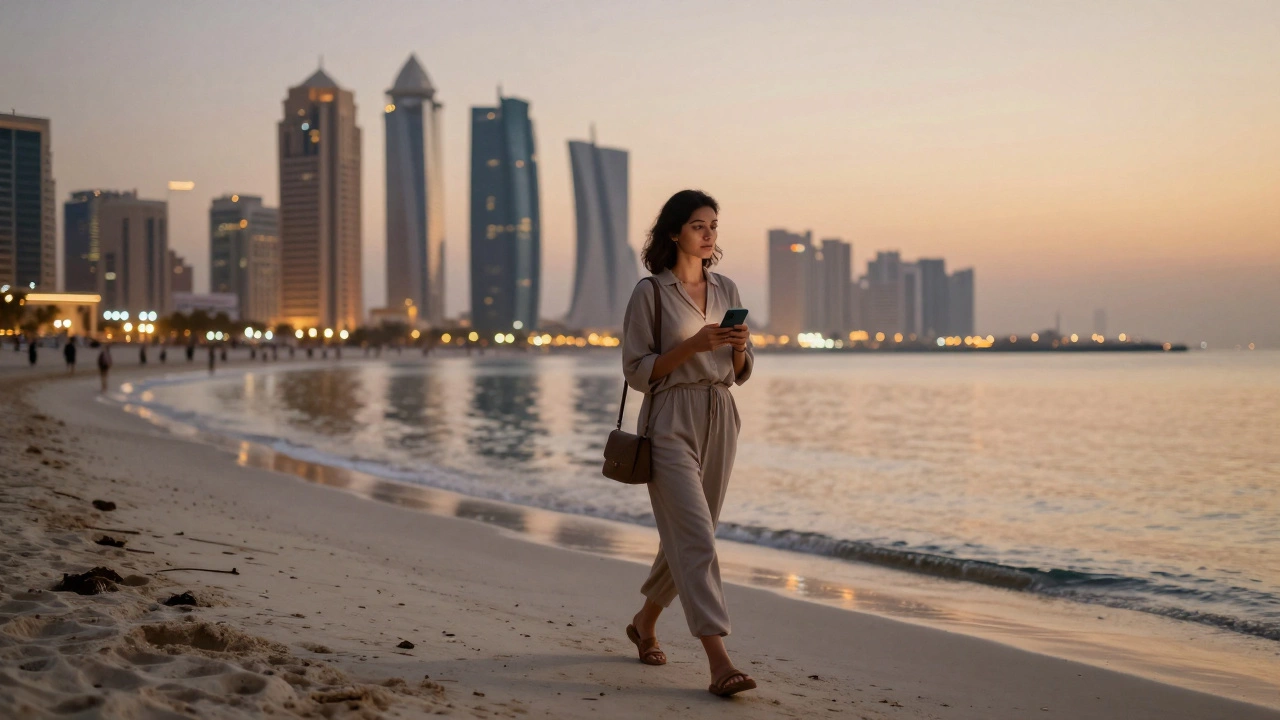
The idea of an escort girl in Dubai often starts with myths - luxury cars, five-star hotels, and whispered stories from travelers who swear they saw something unforgettable. But the real story? It’s quieter, more complex, and far less glamorous than pop culture suggests. The first recorded mentions of paid companionship in Dubai trace back to the 1970s, when oil wealth brought a flood of foreign workers and diplomats. Women from Eastern Europe, Southeast Asia, and Latin America began arriving, not always as tourists, but as part of a growing informal economy. Some came seeking better pay than home could offer. Others were lured by promises that never materialized. Today, the term escort lady in dubai is used loosely - sometimes legally, sometimes not - but the reality behind it is shaped by migration laws, social stigma, and survival.
Dubai doesn’t have legalized prostitution. That’s clear. But it also doesn’t outlaw companionship for money if no sexual exchange is explicitly arranged. This gray zone is where the dubai escort lady operates - not as a sex worker in the traditional sense, but as a paid companion. She might accompany someone to a dinner, a gallery opening, or a business event. She might offer conversation, company, or emotional support. The line between escort and prostitute is blurry, and the law doesn’t always care where it’s drawn - only whether someone files a complaint.
How It Started: From Niche to Network
In the early 2000s, Dubai’s expat population exploded. Thousands of single men - engineers, sales reps, consultants - moved here for short-term contracts. They had money, but no social network. Local women, especially Emirati women, rarely socialized outside family circles. This gap created demand. A few women, often foreign residents with valid visas, began offering companionship services through word-of-mouth. WhatsApp groups formed. Private Instagram accounts appeared. No billboards. No ads. Just coded language: "tea and cake," "evening stroll," "private tour."
By 2010, a small industry had taken shape. Agencies started appearing - not as brothels, but as "social concierge" firms. They vetted clients, scheduled meetings, and handled payments. Many of these women had degrees, spoke three languages, and had worked in hospitality before. Some were students. Others were single mothers supporting families back home. The work wasn’t about sex - at least not always. It was about filling a loneliness void in a city that never sleeps but rarely connects.
The Rules No One Talks About
If you’re thinking of becoming an escort lady in Dubai, you need to know the unspoken rules:
- Never mention your work to your landlord. Many expat apartments have strict no-guest policies. A single complaint can get you evicted - and deported.
- Don’t use your real name online. Profiles are always pseudonyms. Photos are edited. Location tags are turned off.
- Payment is always upfront. Cash or cryptocurrency. No bank transfers. No traceable records.
- Never meet a client alone in a hotel room without a witness nearby. Some women have disappeared after violating this rule.
- Keep your visa status clean. Most work under tourist or freelance visas. Overstaying is a fast track to jail.
These aren’t suggestions. They’re survival tactics. In 2023, five women were deported after police raided a private villa in Jumeirah. No charges of prostitution were filed - only visa violations. The message was clear: it’s not what you do. It’s how you’re caught.
Who Are the Dubai Escort Ladies?
There’s no single profile. The dubai escort ladies come from everywhere:
- A Ukrainian nurse who moved here after her husband died, sending money to her two kids in Kyiv.
- A Nigerian law graduate working part-time while studying Arabic at UAE University.
- A Brazilian dancer who got stuck in Dubai after her visa expired and couldn’t afford a flight home.
- A Russian translator who found clients through her previous job at a luxury hotel.
Most are between 22 and 35. Many have college degrees. Almost all have a plan - a timeline, a savings goal, a way out. They don’t see themselves as permanent fixtures in this world. They see themselves as temporary residents in a city that doesn’t want them, but needs them.

The Dark Side: Exploitation and Escape
Not every story ends with a plane ticket home. Some women get trapped. Clients who refuse to pay. Agents who withhold passports. Men who threaten to expose them to immigration. In 2022, a charity in Dubai reported 47 cases of coercion among foreign women working in companionship roles. Only 12 sought help. Fear of deportation kept the rest silent.
Those who do escape often end up in shelters run by NGOs. They get legal aid, counseling, and sometimes repatriation. But the stigma follows them. Families back home don’t understand. Neighbors assume the worst. One woman told a counselor: "I didn’t sell my body. I sold my time. But no one believes that."
What’s Changing Now?
Dubai is changing. More women are working remotely - freelancers, content creators, online tutors. They don’t need to meet clients in person. Some are shifting from physical companionship to virtual services: video calls, voice messages, private chat groups. Others are opening boutique cafes or art studios, using their social skills to build legitimate businesses.
The government has cracked down on unlicensed agencies. But enforcement is uneven. In Deira, you’ll still find flyers taped to lamp posts. In Downtown, Instagram DMs are the new business cards. The industry is adapting - not disappearing.
What’s clear is this: the demand isn’t going away. Dubai remains a city of transients. People come for work, stay for years, leave without ever making a real friend. Someone has to fill that space. And for now, that someone is still - quietly - an escort lady in Dubai.